
Hazardous Waste Disposal in Pennsylvania
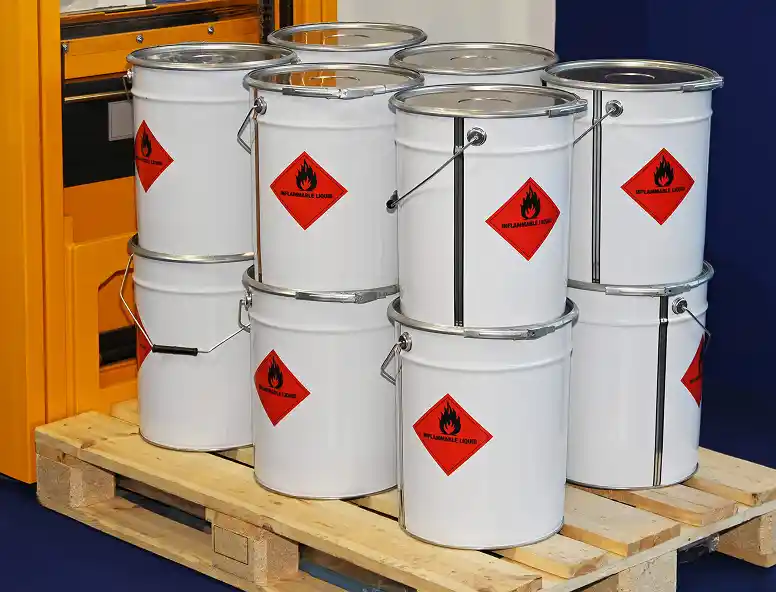
hazardous waste removal services
Hazardous waste includes materials that can endanger human health, facility operations, and the environment due to their chemical, biological, or physical properties. These substances may be toxic, corrosive, ignitable, or reactive—and improper handling or disposal can lead to significant safety hazards, environmental harm, and serious regulatory consequences.
NEIE Medical Waste Services offers secure, compliant, and environmentally responsible hazardous waste management solutions for healthcare systems, laboratories, manufacturing facilities, and other organizations throughout Pennsylvania.
How Service Works
Simple, straightforward process from quote to complaint disposal.
Request a Quote
Tell us your waste streams and pickup needs. We’ll assess your RMW disposal requirements.
We Build Your Plan
Custom schedule, container sizes, and pickup frequency tailored to your facility’s volume.
Pickup & Documentation
Reliable service with tracking, manifests, and certificates of destruction delivered to your portal.
Examples of Hazardous Waste We Manage
- Certain pharmaceuticals, including P-listed, U-listed, and specific chemotherapy-related substances
- Chemical waste generated by laboratories, industrial processes, or research settings
- Solvents, cleaning agents, and disinfectants that meet hazardous waste classifications
- Reactive or corrosive materials
- Flammable or ignitable chemicals
- Pathological or infectious waste streams that fall under hazardous waste rules
Our Hazardous Waste Disposal Process
Proper Identification & Classification – Our team assists your facility in correctly identifying hazardous waste according to EPA, RCRA, and Pennsylvania Department of Environmental Protection (PA DEP) standards.
Safe Containment – We supply DOT-approved, leak-resistant, and puncture-resistant containers designed for secure onsite storage.
Regulatory-Compliant Transportation – All hazardous waste is transported by certified professionals who adhere to Pennsylvania and federal shipping and handling requirements.
Environmentally Responsible Treatment – Hazardous waste is treated through approved destruction methods such as high-temperature incineration or chemical neutralization.
Full Cradle-to-Grave Documentation – Every waste stream is tracked from the moment it leaves your facility to final disposal, ensuring complete compliance documentation for audits and regulatory review.
Why Pennsylvania Facilities Choose NEIE
We bring extensive knowledge of Pennsylvania’s hazardous waste regulations, staying aligned with PA DEP, OSHA, and EPA requirements to ensure safe and compliant waste management. NEIE handles every step of the disposal process internally—never outsourcing to third-party haulers—allowing for greater reliability, accountability, and consistency.
Our flexible service model supports facilities with both scheduled pickups and on-demand options, accommodating organizations with varying waste volumes and operational demands.
Frequently Asked Questions
Common questions about our Hazardous Waste services.
What constitutes "Hazardous Waste" under RCRA?
Hazardous waste is any material that poses a significant risk to human health or the environment. Under the Resource Conservation and Recovery Act (RCRA), this includes substances that are flammable, corrosive, reactive, or toxic.
Why is professional hazardous waste disposal necessary?
Ensuring that hazardous materials are handled correctly is more than just a regulatory requirement; it is a legal and environmental responsibility. Improper disposal can lead to severe fines, environmental contamination, and health risks. NEIE MWS ensures your facility remains fully compliant with local, state, and federal laws.
How should hazardous waste be stored on-site?
Hazardous waste must be properly identified and segregated. While trace-chemo uses yellow containers, hazardous RCRA waste is typically stored in black hazardous waste containers. NEIE MWS works with you to develop a tailored plan for proper segregation to prevent dangerous chemical reactions and ensure safe transport.