
Pathological Waste Disposal in Pennsylvania
pathological waste removal
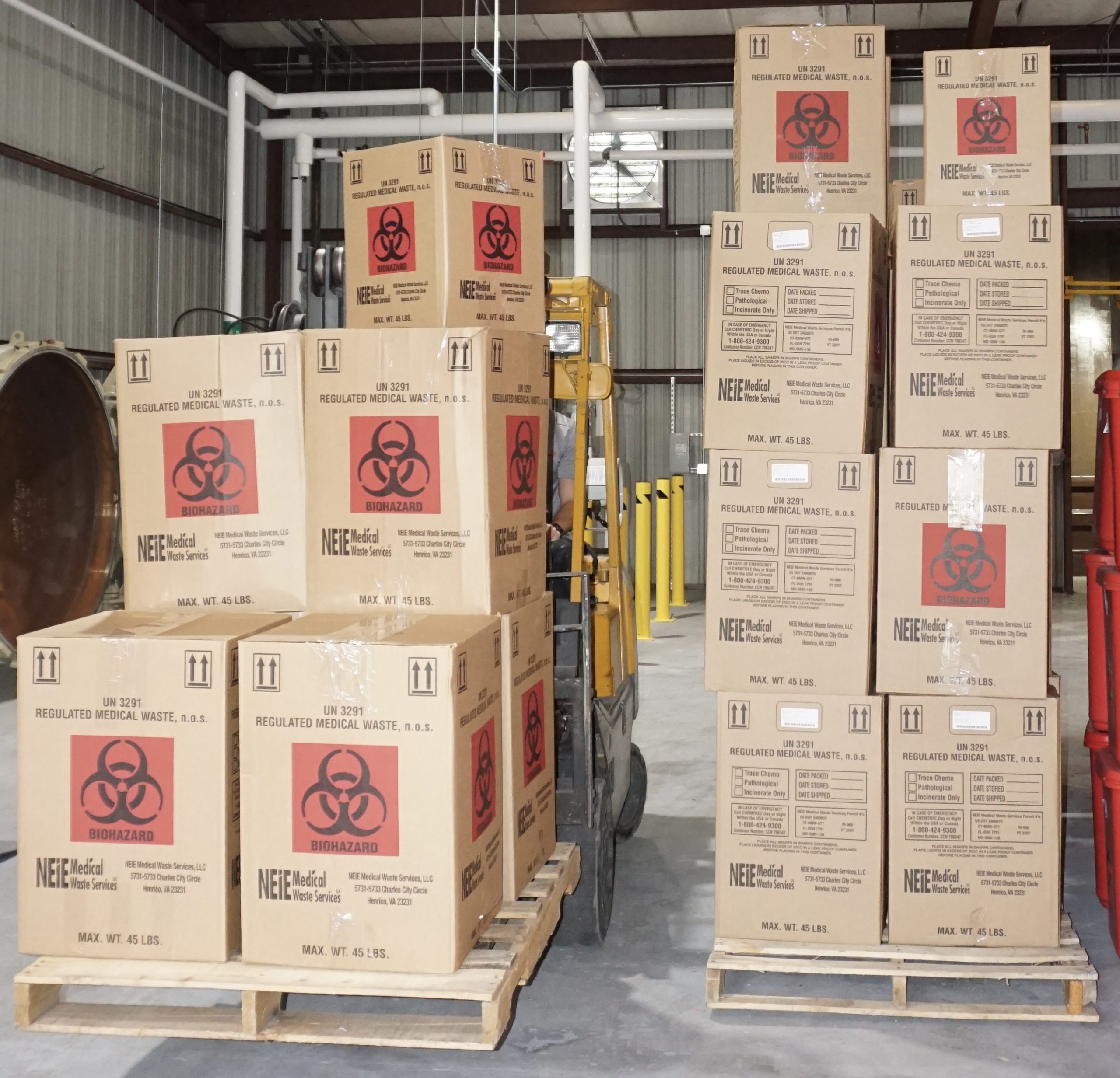
Pathological waste such as human or animal body parts, organs, tissues, and surgical specimens (decanted of formaldehyde, formalin, or other preservatives) are packaged separately for pickup in containers marked for “incineration only.”
The handling and disposal of pathological waste are governed by strict regulations and guidelines to prevent contamination and protect public health. Improper disposal can lead to environmental contamination, exposure to hazardous pathogens, and potential legal consequences. Effective management ensures that pathological waste is treated with the utmost care, minimizing risks to both people and the environment.
Read More
With years of experience in the field of waste management, we are a trusted partner for healthcare facilities, research institutions, and other organizations handling pathological waste. Our commitment to safety, compliance, and environmental responsibility sets us apart as a leading provider of waste disposal solutions.
By choosing our services, you can be confident that your pathological waste will be managed with the highest standards of care and efficiency. Our goal is to support your operations while ensuring that all waste is treated and disposed of in a manner that protects both human health and the environment.
For more information about our pathological waste disposal services or to schedule a consultation, please contact us. Our team is here to assist you with all your waste management needs, ensuring a safe and compliant approach to handling and disposal.
How Service Works
Simple, straightforward process from quote to complaint disposal.
01
Request a Quote
Tell us your waste streams and pickup needs. We’ll assess your requirements.
02
We Build Your Plan
Custom schedule, containers, and compliance requirements tailored to your facility.
03
Pickup & Documentation
Reliable service with tracking, manifests, and certificates in your portal.
04
Incineration & Destruction
Transportation to licensed incineration facility for final destruction with certificate provided.
What is considered Pathological Waste
Examples of pathological waste we manage include:
- Human tissues and body parts removed during surgical procedures or autopsies
- Surgical specimens, biopsy samples, and pathology lab materials
- Research animal tissues when classified as regulated medical waste
- Organs or anatomical structures that require incineration or specialized treatment
Our Pathological Waste Disposal Services
Secure Collection & Packaging – We supply DOT-compliant, leak-resistant containers clearly labeled for safe onsite storage of anatomical waste.
State-Compliant Transportation – All materials are collected and transported by licensed specialists following Pennsylvania’s RMW regulations and DOT transport requirements.
Incineration & Final Disposal – We partner with approved treatment facilities that meet strict standards for the destruction of pathological waste.
Full Documentation – Cradle-to-grave tracking ensures your facility remains compliant, providing peace of mind during audits or inspections.
Flexible Service Plans – Choose routine pickups or schedule services on demand based on your waste volume and operational needs.
Why Pennsylvania Facilities Choose NEIE
Our team brings comprehensive knowledge of Pennsylvania’s regulatory environment and remains up to date on all federal and state laws regarding pathological and anatomical waste. We manage this sensitive waste stream with professionalism and respect, prioritizing privacy and secure handling at every stage.
Because NEIE maintains full control over the disposal process—without outsourcing to third-party haulers—you receive consistent, accountable service from start to finish. In addition, our customer support team is readily available to help with schedule adjustments, regulatory questions, or assistance with proper waste segregation.
Frequently Asked Questions
Common questions about our Pathological Waste Disposal services.
What exactly is considered "pathological waste"?
Pathological waste is a sub-category of regulated medical waste (RMW) that consists of recognizable human or animal organs, tissues, and body parts. It also includes surgical specimens and fluids removed during surgery, autopsy, or other medical procedures.
How does pathological waste differ from "Red Bag" waste?
While both are biohazardous, “Red Bag” waste (standard RMW) typically includes items like gloves, bandages, and gowns that are contaminated with blood. Pathological waste consists of the actual biological tissue or organs themselves. Because of its organic nature, pathological waste usually requires incineration, whereas standard red bag waste may be treated via autoclave (steam sterilization).
Does all pathological waste require incineration?
Yes. To ensure complete destruction of organic matter and eliminate the risk of environmental contamination or disease transmission, high-temperature incineration is the industry standard and often a legal requirement for pathological waste.
Get a Pathological Waste Disposal Plan Tailored to Your Facility
Protect your Pennsylvania facility with a compliant, secure, and environmentally responsible pathological waste management plan. Contact NEIE Medical Waste Services today to schedule a pickup or develop a customized disposal program that aligns with your facility’s needs.